

Front Elevation Design for 3 Floor Building: 10 Modern Ideas, Costs, Materials & Latest Trends
A well-designed front elevation is much more than the exterior face of a building. It is the first impression visitors, neighbors, and potential buyers receive before stepping inside. Whether you are planning a modern residence, a luxury villa, a mixed-use property, or a commercial-cum-residential structure, the front elevation design for a 3-floor building plays a crucial role in defining its visual identity, functionality, and long-term value.

In recent years, homeowners across India have become increasingly focused on creating attractive and contemporary building facades. As urban plots become smaller and land prices continue to rise, three-floor buildings have emerged as one of the most practical solutions for maximizing usable space while maintaining an elegant architectural appearance. This has led to a significant increase in searches for modern front elevation design, contemporary facade ideas, 3-floor house elevation design, building front design, and exterior design concepts.
The challenge many property owners face is finding an elevation design that balances aesthetics, construction cost, maintenance requirements, local climate conditions, and future resale value. While countless images are available online, very few resources explain why certain elevations work better than others, how much they cost, which materials are best suited for different budgets, and what design trends are expected to dominate in 2026 and beyond.
This comprehensive guide covers everything you need to know about front elevation design for 3-floor buildings, including design styles, material selections, cost estimates, plot-specific recommendations, modern architectural trends, lighting strategies, balcony designs, and expert tips to help you create a facade that stands out for all the right reasons.
What is a Front Elevation Design?
In architecture, the front elevation refers to the exterior view of a building as seen from the front side. It showcases the arrangement of windows, balconies, entrance doors, facade materials, parapets, lighting elements, decorative features, and overall architectural composition.

A thoughtfully designed front elevation serves several purposes:
Enhances curb appeal
Improves property value
Creates a distinctive architectural identity
Optimizes natural light and ventilation
Reflects the owner's personality and lifestyle
Improves the building's visual balance and proportions
For a three-floor building, elevation design becomes even more important because vertical proportions must be carefully managed. Without proper planning, a three-story structure can appear bulky, disproportionate, or visually overwhelming.
The best elevations combine horizontal and vertical elements to create harmony while emphasizing specific architectural features such as balconies, entrance canopies, feature walls, louvers, and material contrasts.
Why Front Elevation Design Matters for a 3 Floor Building
A three-floor structure naturally attracts attention due to its height. This makes facade design even more significant than in single-story homes.
A professionally designed elevation can:
Increase Property Value
Real estate professionals consistently observe that attractive facades improve perceived value. Two identical buildings with different elevations can command significantly different market prices.
Improve Visual Proportions
Proper facade design helps break the height of a three-floor building into visually pleasing sections, preventing it from appearing boxy or monotonous.
Enhance Energy Efficiency
Architectural features such as fins, shading devices, pergolas, and louvers can reduce heat gain and improve indoor comfort.
Create a Modern Identity
The exterior design communicates whether a building feels contemporary, luxurious, minimalist, traditional, or premium.
10 Popular Front Elevation Designs for 3 Floor Buildings
1. Modern Box Style Elevation
The modern box style remains one of the most searched architectural trends today. Characterized by clean lines, geometric forms, and minimal ornamentation, this design creates a sophisticated urban appearance.
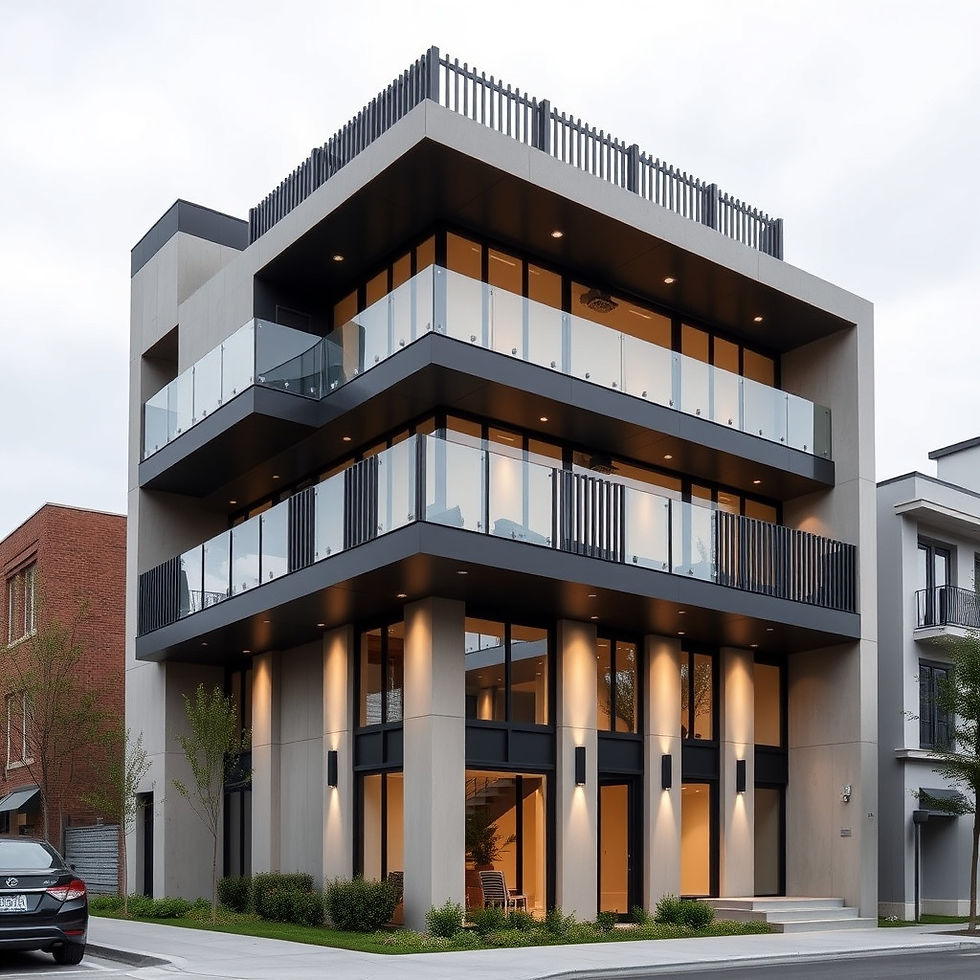
Key features include:
Rectangular forms
Neutral color palettes
Glass railings
Vertical fins
Recessed lighting
This style works particularly well for urban residential buildings on narrow plots.
2. Contemporary Elevation with Wood Texture Panels
Wood-inspired finishes add warmth and elegance to modern structures.
Popular materials include:
HPL cladding
WPC panels
Wood-look aluminum systems
These materials offer the appearance of natural timber while requiring significantly less maintenance.
3. Luxury Stone Cladding Elevation
Natural stone remains one of the most prestigious facade materials available.
Common options include:
Sandstone
Slate
Granite
Quartzite
Limestone
Stone creates a timeless appearance and improves the premium perception of the property.
4. Minimalist White Facade Design
White facades continue to dominate luxury architecture because they provide a clean, sophisticated appearance while highlighting shadows and architectural forms.
When combined with black accents and warm wood finishes, the result is both elegant and contemporary.
5. Tropical Modern Elevation
Particularly suitable for warm climates, tropical modern architecture focuses on:
Deep balconies
Sun-shading devices
Natural ventilation
Green walls
Landscape integration
This style balances aesthetics with environmental performance.
6. Glass and Aluminum Contemporary Elevation
Large glazing panels combined with aluminum elements create a sleek and modern appearance suitable for luxury residences and mixed-use developments.

7. Corner Plot Front Elevation
Corner plots offer dual frontage opportunities that allow architects to create dramatic compositions visible from multiple directions.
Feature elements often include:
Wrap-around balconies
Double-height facade elements
Corner glazing
8. Duplex-Inspired Three-Floor Elevation
This style emphasizes residential luxury with carefully layered balconies and premium materials.
9. Industrial Contemporary Elevation
Industrial-inspired facades combine concrete textures, steel accents, and dark color palettes to create a bold architectural statement.
10. Luxury Villa Style Elevation
A villa-inspired facade emphasizes grandeur through:
Stone accents
Premium lighting
Decorative landscape elements
Large entrance portals
Front Elevation Design According to Plot Size
Front Elevation Design for 20 Feet Wide Plot
A 20-foot frontage presents unique challenges because horizontal space is limited.
To maximize visual appeal:
Use vertical design elements
Keep the material palette simple
Use glass railings
Incorporate concealed lighting
A cluttered facade often makes narrow plots appear even smaller.
Front Elevation Design for 25 Feet Plot
Twenty-five feet provides greater flexibility and allows for stronger architectural compositions.
Popular features include:
Floating balcony projections
Feature walls
Vertical fins
Decorative cladding
Front Elevation Design for 30 Feet Plot
This is considered one of the most versatile frontage widths for residential projects.
Architects can comfortably incorporate:
Dual balconies
Feature entrances
Landscape zones
Parking integration

Front Elevation Design for 40 Feet Plot
A wider frontage allows greater design freedom and often results in more balanced architectural proportions.
Front Elevation Design for 50 Feet Plot and Above
Large plots support luxury architectural features such as:
Grand entrance canopies
Water features
Extensive stone cladding
Premium landscaping
Best Materials for Modern 3 Floor Building Elevations
Choosing the right materials is critical because facade materials affect appearance, maintenance, durability, and cost.
Texture Paint
Texture paint remains one of the most economical options for modern elevations.
Benefits:
Affordable
Wide variety of finishes
Easy maintenance
Quick installation
HPL Cladding
High-pressure laminate panels have become extremely popular in contemporary architecture.
Advantages:
Wood-like appearance
UV resistance
Low maintenance
Long lifespan
Stone Cladding
Natural stone creates an upscale appearance that remains attractive for decades.
ACP Panels
Aluminum Composite Panels are widely used in commercial and residential projects due to their sleek appearance and cost-effectiveness.
WPC Cladding
Wood Plastic Composite cladding provides the aesthetic appeal of wood with superior durability.
Glass Railings
Glass railings create a sense of openness and contribute to a premium, modern aesthetic.
Front Elevation Design Cost in India (2026)
One of the most common questions homeowners ask is: "How much does a front elevation design cost?"
The answer depends on plot size, material selection, design complexity, and local labor rates.
Typical Material Costs
Material | Approximate Cost per Sq Ft |
Exterior Texture Paint | ₹25 – ₹60 |
HPL Cladding | ₹250 – ₹450 |
ACP Panels | ₹180 – ₹400 |
WPC Cladding | ₹200 – ₹500 |
Natural Stone | ₹200 – ₹700 |
Glass Railings | ₹800 – ₹1800 |
Budget Categories
Budget Facade (₹3–5 Lakh)
Suitable for:
Texture paint
Basic lighting
Simple balcony design
Mid-Range Facade (₹5–10 Lakh)
Includes:
HPL cladding
Decorative lighting
Glass railings
Premium Facade (₹10–20 Lakh)
Includes:
Stone cladding
Custom lighting
Premium landscaping
Luxury Facade (₹20 Lakh+)
Features:
Imported materials
Architectural lighting systems
Customized facade elements
Latest Front Elevation Design Trends for 2026
Architectural trends continue to evolve as materials and technologies improve.
Several design movements are expected to dominate 2026:
Vertical Fin Systems
Architectural fins add depth, shadow, and visual interest while improving solar control.
Floating Balcony Boxes
Projected balconies create a dramatic contemporary appearance.
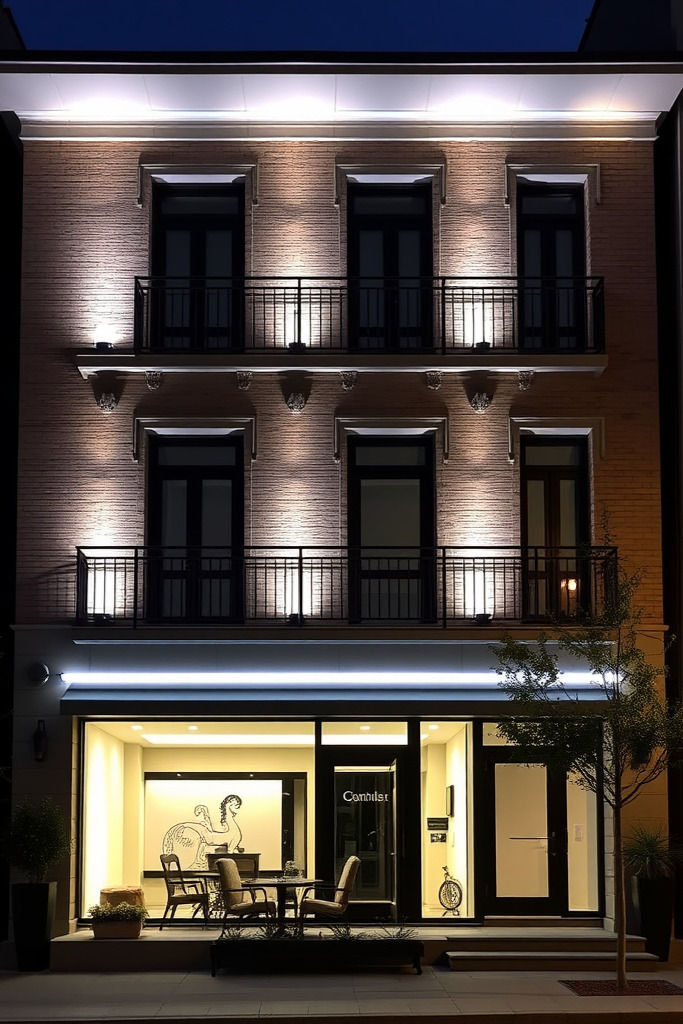
Earth-Tone Color Palettes
Warm greys, beige tones, and natural finishes are replacing stark monochromatic schemes.
Hidden LED Lighting
Integrated lighting systems enhance facade depth during nighttime hours.
Mixed Material Facades
The combination of stone, wood textures, metal, and glass creates rich visual compositions.
Sustainable Design Features
Green walls, solar integration, and climate-responsive facades are becoming increasingly popular.
Common Mistakes to Avoid
Many homeowners spend significant amounts on construction but overlook key facade principles.
Too Many Materials
Using five or six different facade materials often creates visual confusion.
Poor Lighting Design
Lighting should highlight architecture rather than overpower it.
Excessive Ornamentation
Modern architecture benefits from restraint and simplicity.
Ignoring Climate Conditions
Materials should be selected according to local weather conditions.
Weak Entrance Design
The entrance is typically the focal point of the facade and deserves special attention.
How to Choose the Best Front Elevation Design
When selecting an elevation design, consider:
Plot dimensions
Budget
Local climate
Architectural style preferences
Maintenance requirements
Future resale value
The most successful elevations are not necessarily the most expensive. They are the ones that balance design, functionality, proportion, and material quality.
Conclusion
A thoughtfully planned front elevation design for a 3-floor building can transform an ordinary structure into an architectural landmark. Beyond aesthetics, the right elevation improves property value, enhances functionality, reduces maintenance challenges, and creates a lasting impression.
Whether your goal is a modern minimalist residence, a luxury villa-inspired facade, a tropical contemporary home, or a premium mixed-use building, success depends on balancing proportions, selecting appropriate materials, incorporating effective lighting, and maintaining design consistency throughout the facade.
As architectural trends continue to evolve in 2026, homeowners are increasingly embracing clean lines, natural materials, sustainable solutions, and sophisticated lighting strategies. By understanding these principles and applying them thoughtfully, you can create a front elevation that remains visually appealing, functional, and relevant for many years to come.
If you are planning a new construction project, investing time in facade design at the beginning of the process can yield substantial long-term benefits in both appearance and property value.


Comments