
2D vs 3D Animation: What’s the Real Difference and Which One Should You Choose?
Updated: May 5
Animation today is no longer just about cartoons or films—it has become a core part of how brands communicate, how products are sold, and how ideas are experienced.
Whether it’s a startup explaining a product, a real estate developer showcasing a project, or a filmmaker building immersive worlds—the choice between 2D and 3D animation is now a strategic decision, not just a creative one.
But here’s the truth most articles don’t tell you:
2D and 3D are not competitors—they are tools designed for completely different purposes.
Let’s break this down properly.

Understanding 2D Animation: Simplicity That Still Wins
At its core, 2D animation exists on a flat plane—just height and width. No depth. No physical space. And yet, it continues to dominate a huge portion of digital content.
Why?

Because it does one thing exceptionally well:
It communicates ideas quickly and clearly.
Think about the last time you watched:
A product explainer video
A startup pitch animation
A YouTube educational short
Chances are, it was 2D.
What makes 2D so effective:
It removes unnecessary complexity
Focus stays on the message, not realism
Faster production cycles
Highly adaptable across platforms
And most importantly:
2D doesn’t try to mimic reality—it simplifies it.
That’s exactly why brands still rely on it.
Understanding 3D Animation: The Power of Realism and Experience
Now step into the world of 3D animation, and everything changes.
Objects are no longer drawings—they exist in a virtual space with depth, lighting, and physics. You’re not just watching anymore. You’re experiencing.
This is why 3D has become essential in industries like:
Architecture
Real estate

Product design
Gaming
Films

What makes 3D so powerful:
Real-world lighting and shadows
Camera movement like actual cinematography
Ability to view objects from any angle
Hyper-realistic materials and textures
In simple terms: 2D tells you something. 3D shows it to you as if it already exists.
The Core Differences - 2D vs 3D Animation
Instead of a dry comparison, let’s understand this practically.
1. Depth vs Flat Thinking
2D works in conceptual space
3D works in physical simulation
That’s why 3D feels real—and 2D feels expressive.
2. Speed vs Detail
2D is quicker to produce
3D requires multiple technical stages
But here’s the twist:
2D = faster per project
3D = scalable over time (thanks to reusable assets)
3. Cost vs Value
2D is budget-friendly
3D is an investment
But in industries like architecture, 3D is not a luxury—it’s a necessity.
4. Story vs Experience
2D → storytelling-focused
3D → experience-focused
That’s why:
Ads use 2D
Showrooms use 3D
Production Process: Where the Real Difference Lies
This is where beginners underestimate the gap.
2D Workflow (Streamlined)
Script
Storyboard
Design
Animation
Clean. Fast. Direct.

3D Workflow (Layered & Technical)
Modeling
Texturing

Rigging
Lighting
Animation
Rendering
Each stage requires specialization.
That’s why 3D projects feel heavier—but also far more premium.
What Has Changed Now
The biggest mistake people make is comparing 2D and 3D using outdated standards.
Here’s what’s actually happening now:
🔹 Hybrid Animation is Taking Over
Studios are blending both:
3D structure
2D artistic finish
Result: Stylized realism
🔹 Real-Time Rendering is Changing Everything
Tools like Unreal Engine
Faster previews
Near-instant rendering
This is reducing the traditional time gap between 2D and 3D
🔹 AI is Assisting, Not Replacing
Auto rigging
Motion assistance
Faster iterations
Artists still drive creativity—AI just speeds up execution
🔹 Demand Shift Toward Experience-Based Content
Virtual walkthroughs
Interactive visuals
Immersive marketing
All of this heavily favors 3D
When Should You Choose 2D Animation?
2D is the right choice when your goal is clarity and speed.
Use it when:
You need a quick turnaround
Budget is limited
Content is information-heavy
The platform is social media or ads
Perfect for communication-driven content.
When Should You Choose 3D Animation?
3D is the right choice when your goal is impact and realism.
Use it when:
You need visual accuracy
You are selling a physical space or product
You want a premium presentation
You need immersion
Perfect for experience-driven content.
A Strategic Insight Most Blogs Miss
The real question is NOT:
❌ 2D vs 3D Animation
The real question is:
✅ What are you trying to achieve?
Because:
If you want people to understand something → use 2D
If you want people to feel something → use 3D
Final Thoughts: The Smart Approach
The industry is no longer divided.
The most effective creators and studios are doing this:
Using 2D for communication
Using 3D for visualization
Combining both for maximum impact
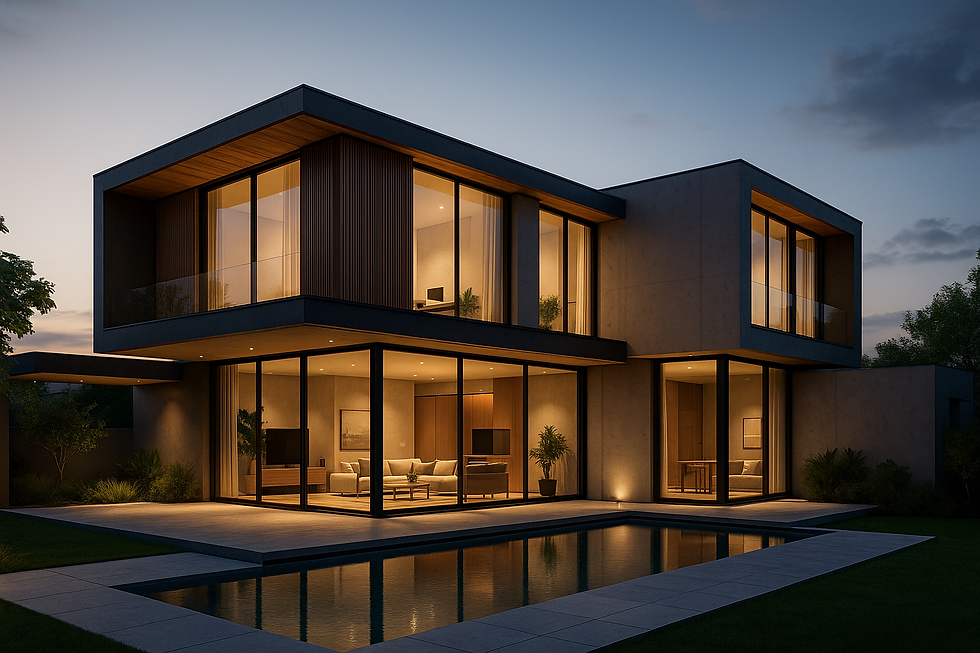


This post provides a clear comparison between 2D and 3D animation, highlighting the key differences. It’s a helpful guide for understanding the advantages of 3D product animation in creating more realistic and engaging visuals for various applications.